Quick answer: Custom wire harness cost depends on the specified connectors and wire, the number and complexity of terminations, tooling, order quantity, documentation and inspection requirements. Lead time is often shaped by material availability, drawing clarification, tooling readiness and first-article approval—not assembly labor alone. The lowest unit price is not necessarily the lowest total project cost.
Shengxin manufactures terminal wire assemblies, connector wire assemblies and selected custom harnesses to customer drawings or reference samples. This guide explains what buyers should clarify before requesting a quote, why two suppliers may quote differently, and how to avoid preventable delays. It is not a fixed price list or a promise of a standard production lead time.
Cost and lead-time drivers at a glance
| Driver | Effect on cost | Effect on lead time |
|---|---|---|
| Assembly complexity | More wires, terminations, branches and finishing require additional work and inspection | More assembly steps and technical details may need review |
| Connectors and wire | Specified brands, specialized materials and approved alternatives affect material cost | Long-lead parts can govern when production can begin |
| Tooling | Special dies, applicators or fixtures may require a separate charge | Procurement, setup and validation take time |
| Quantity | Lot size affects purchasing, setup and unit economics | Material ordering and production capacity depend on the confirmed quantity |
| Drawing and BOM | Missing specifications increase the risk of a revised quote | Clarification or approval can hold the project before release |
| Inspection and records | Additional tests, samples and documentation add scope | First-article review and agreed verification can affect the schedule |
1. Assembly complexity: what actually adds work?
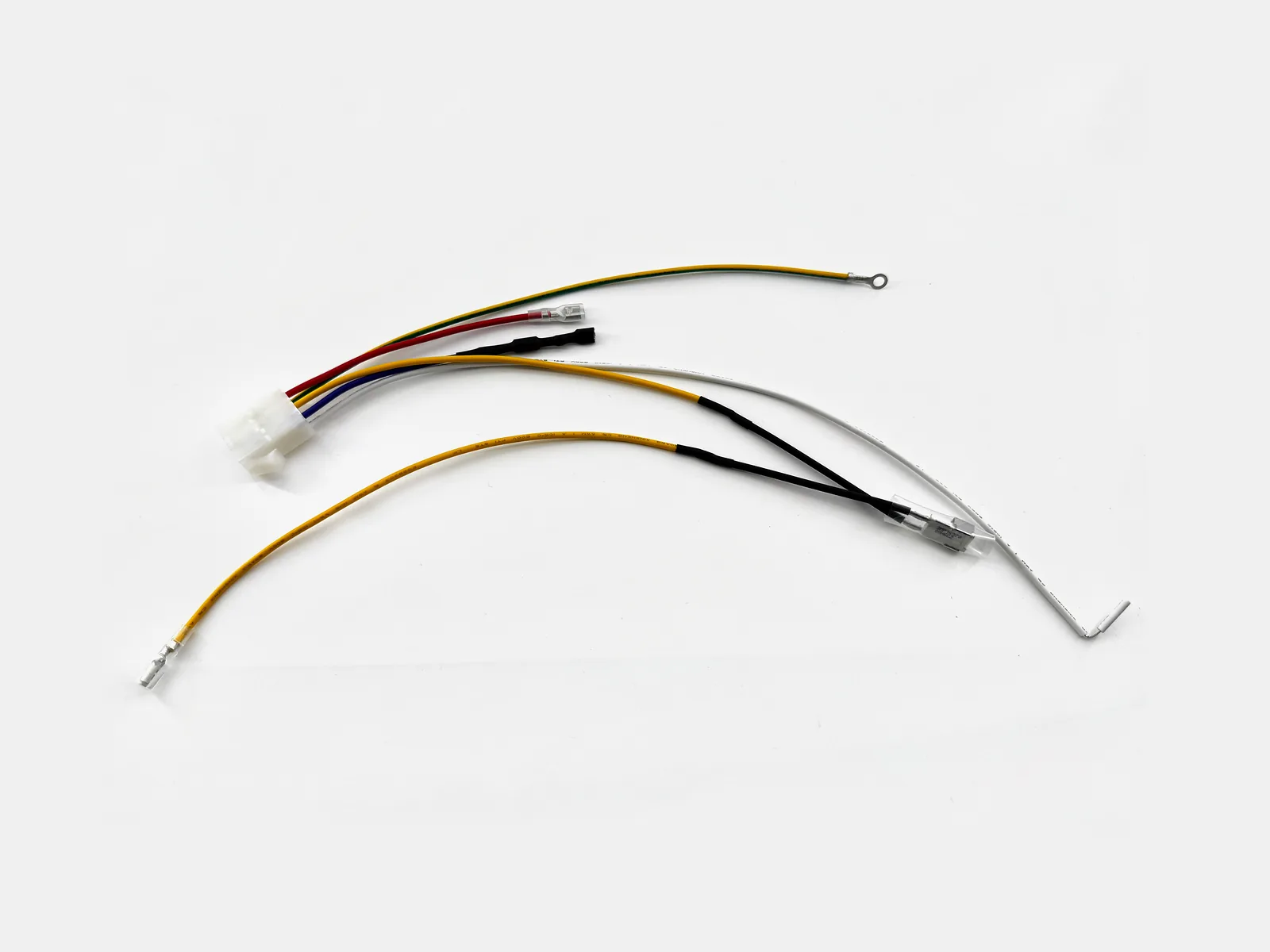
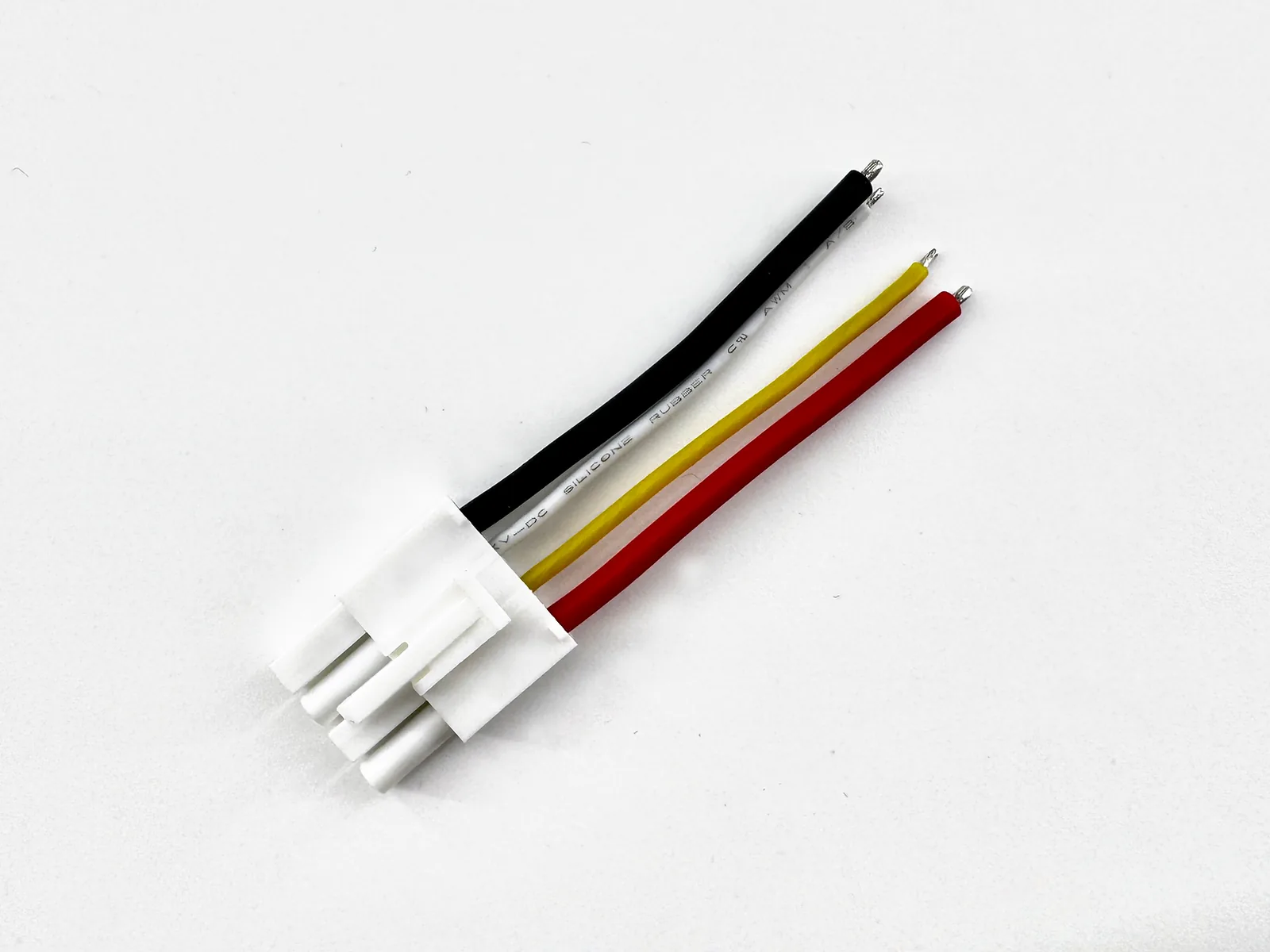
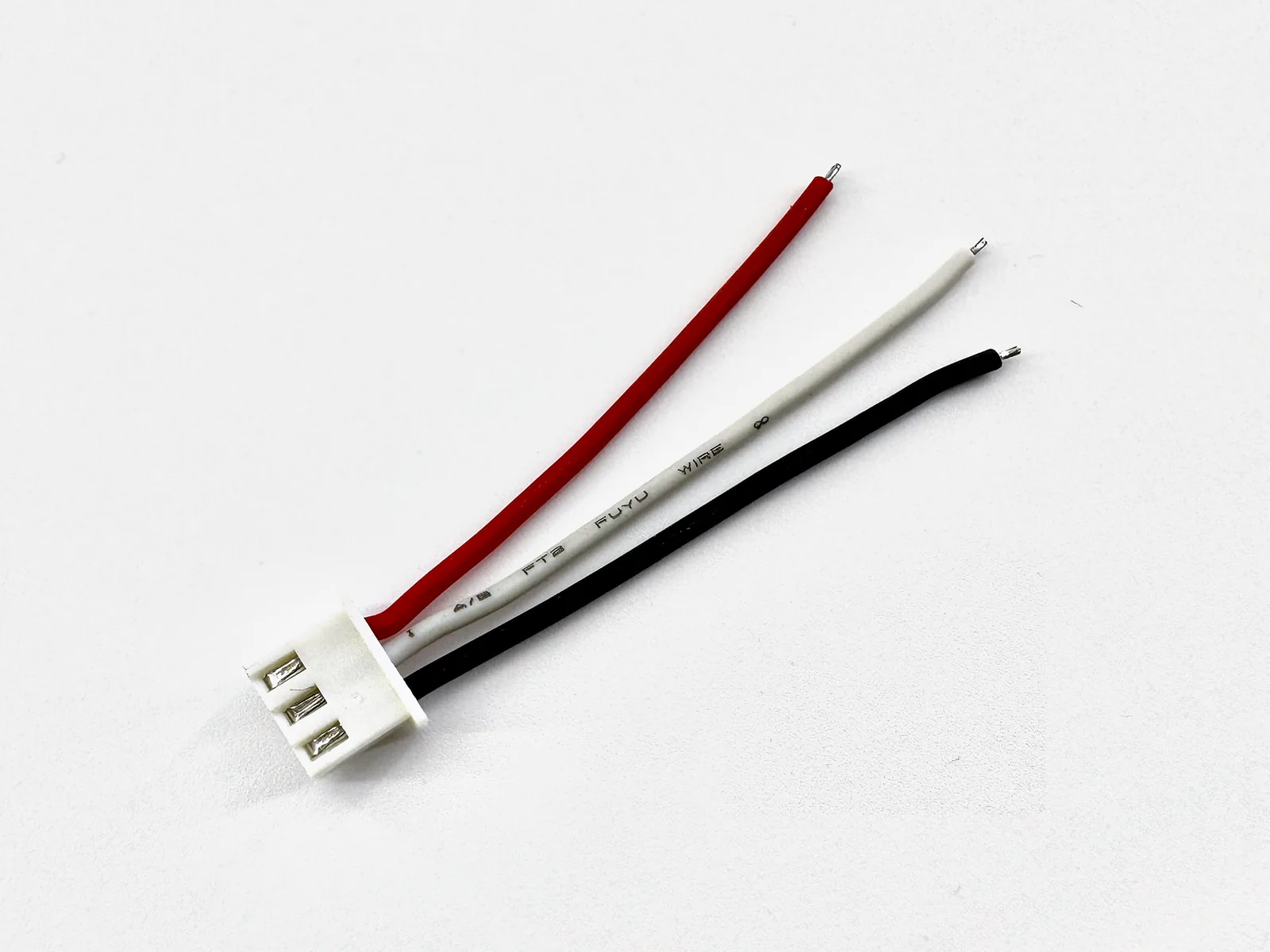
A simple point-to-point wire lead and a multi-branch harness may use similar cutting and crimping operations, but they do not require the same assembly and inspection effort.
Consider the number of conductors and terminations, connector cavities, different wire gauges, stripped or tinned ends, branches, protective sleeves, labels and packaging requirements. A missing branch datum or ambiguous pinout can also create an engineering clarification cycle before production.
Shengxin primarily handles prepared leads, terminal wire assemblies and connector wire assemblies. More complex branched constructions are reviewed individually rather than treated as a standard-volume product with a standard turnaround.
2. Component selection: original parts, approved alternatives and wire specifications
A drawing that specifies only a “2.54 mm, 3-pin connector” may not identify a unique housing or terminal. For accurate sourcing, provide the manufacturer, full part number and mating information when available.
If a project requires an original JST, Molex or TE Connectivity component, the quote should follow that requirement. A compatible or “-Type” alternative is a different sourcing option and should be evaluated and approved by the customer before use. Compatibility is not proof that a part is genuine or that the manufacturer has authorized the supplier.
Neither option is inherently faster or cheaper. An original part may have a longer procurement lead time; an alternative may require additional fit, electrical or mechanical checks before approval. State clearly whether substitutes are permitted.
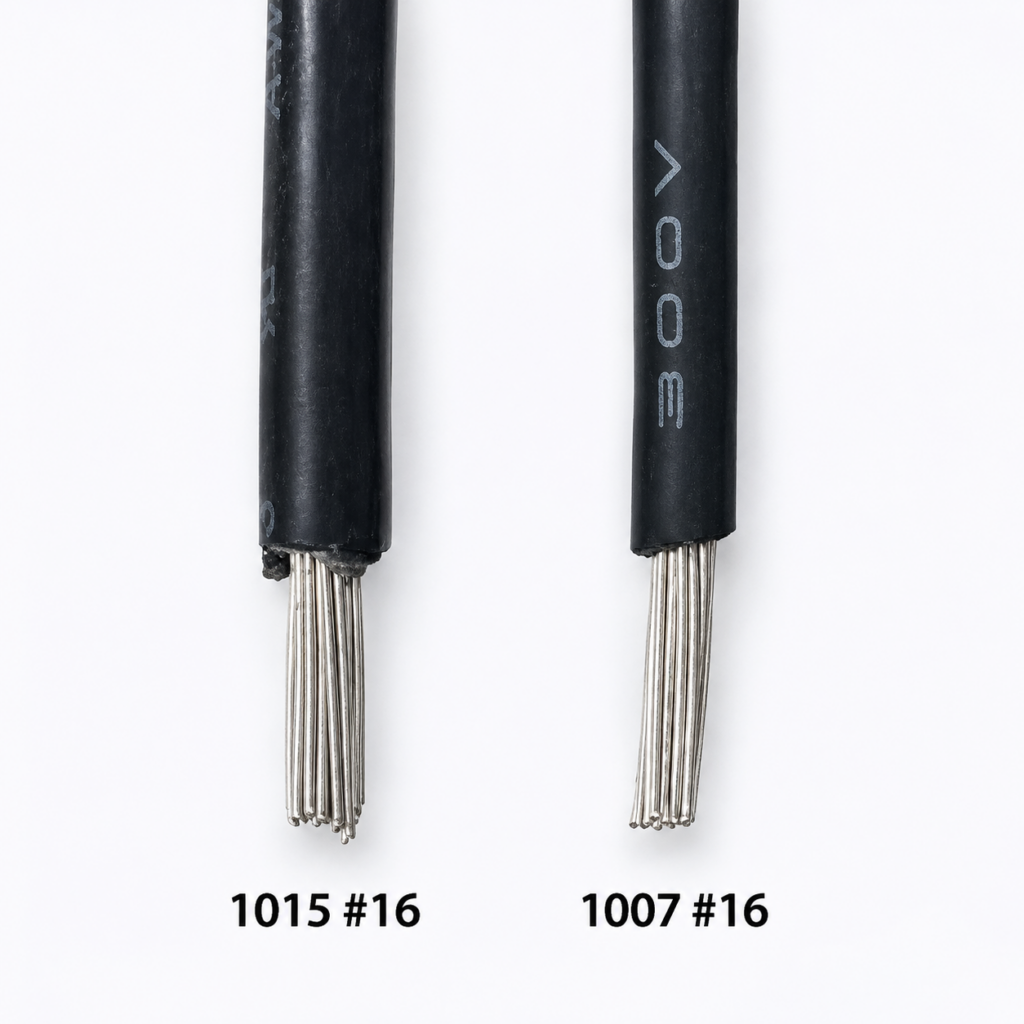
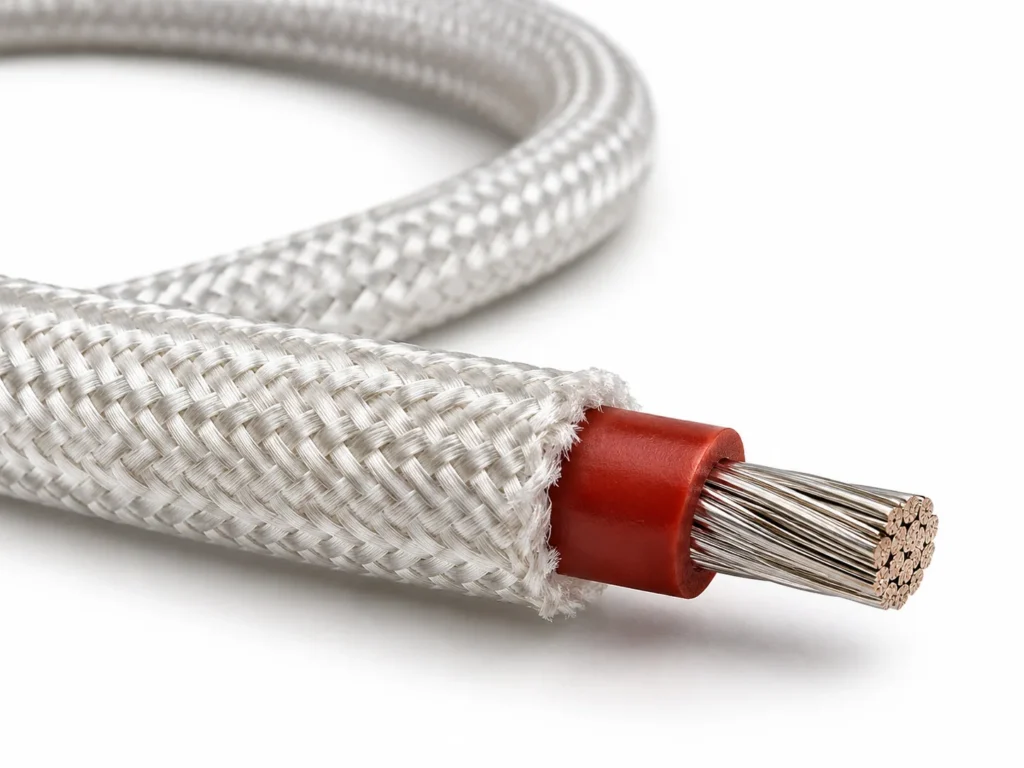
Wire construction affects the quote too. Gauge, insulation material, outside diameter, temperature rating, color and availability matter—not just length. For related technical choices, see our guides to tinned versus bare copper wire, high-temperature wire and UL1007 versus UL1015.
3. Special tooling: a cost that should be visible
Regular wire processing uses cutting, stripping, crimping and assembly equipment. An unusual terminal or construction may require a dedicated die, applicator, fixture or other tooling that is not currently available.
Where special tooling must be purchased or made, its cost is included in the project quote. Buyers should check whether a quoted price separates this one-time cost from the unit assembly price. A quote that includes new tooling cannot be compared directly with one based on tooling already available.
Tooling may also sit on the schedule's critical path: it must be obtained, set up and checked before representative production proceeds.
4. Order quantity, samples and MOQ
Quantity affects component purchasing, setup effort and unit pricing. A quotation for a prototype or small sample lot is not necessarily comparable to a recurring production order.
Tell the supplier both the initial quantity and the expected repeat-production quantity, if known. MOQ depends on the assembly and material requirements; special components, nonstandard tooling and complex layouts may change what is practical. Sample arrangements and production quantities should be confirmed for the specific project rather than inferred from a single general minimum.
5. Drawing completeness: an often overlooked schedule risk
A drawing does not have to be perfect to start a conversation. It does need enough information to avoid incorrect assumptions during pricing and sampling.
Common sources of delay include:
- Different drawing and BOM revisions, or no revision identified
- Connector series names without complete part numbers
- Pinout without the cavity-numbering view direction
- Wire lengths and branch positions without measurement datums or tolerances
- Unclear rules for genuine parts versus approved substitutes
- Inspection or documentation requirements introduced after quotation
A sample or photo can help begin identification, but dimensional, electrical and acceptance criteria still need agreement before release. See the drawing requirements guide and custom project preparation guide.
6. Inspection: compare the scope, not just the price
Inspection is part of the manufacturing plan and must be reflected in the quote. Shengxin carries out continuity and pinout checks on applicable finished assemblies, with first-article and in-process inspection and sample-based mechanical checks according to the relevant production and inspection requirements.
Electrical continuity and pinout checks do not establish crimp pull-off strength, terminal retention or connector mating force. If an OEM project requires specific mechanical thresholds, sampling, records or workmanship criteria, identify them during the RFQ and agree on the applicable verification plan before production.
Two quotes are not equivalent if one includes additional inspection records or product-specific tests and the other does not. These activities may also add first-article and documentation steps to the schedule.
7. Lead time: find the project's critical path
A reliable delivery date requires more than just cutting and crimping wire quickly. A practical project sequence is:
- Drawing and BOM review: Resolve unclear part numbers, pinout, dimensions and acceptance requirements.
- Material sourcing and tooling preparation: Check component availability and any special production tools.
- First-article preparation and approval: Build and review the initial assembly against the approved specification.
- Production and inspection: Schedule the lot, assemble the units and complete agreed checks.
- Packing and shipment: Apply labeling, packing and delivery requirements.
Some activities can proceed in parallel; others cannot start until a decision or part is available. For example, faster assembly does not recover time lost waiting for a specified connector or customer approval of a substitute.
Ask when the quoted lead time begins: after RFQ receipt, drawing approval, material readiness, deposit or another agreed milestone? Suppliers can use different starting points. An estimated ship date becomes more meaningful when the assumptions and approval dependencies are written down.
8. Compare two supplier quotes on the same basis
An apparently lower unit price can reflect a different part, a reduced inspection scope, a separate tooling charge or a different quantity. Before selecting a supplier, compare these items side by side:
| Comparison item | Supplier A | Supplier B |
|---|---|---|
| Approved drawing and BOM revision | Confirm | Confirm |
| Original-brand parts or approved alternatives | Record exact basis | Record exact basis |
| Wire and finishing specification | Confirm | Confirm |
| Quoted quantity and repeat-volume assumption | Record | Record |
| Special tooling and any separate charges | Itemize | Itemize |
| Inspection and records included | Specify | Specify |
| Sample or first-article approval requirements | Specify | Specify |
| Lead-time starting point and dependencies | Specify | Specify |
| Packing, shipping terms and exclusions | Specify | Specify |
Use this template to evaluate quotes on equal terms, but note that supplier capabilities still require separate validation. Ask for clarification wherever a line is left open.
9. What to include in your wire harness RFQ
You can start with partial information. For a more reliable cost and schedule assessment, provide:
- Current drawing, BOM or reference sample, including revision
- Wire style, gauge, color, insulation and any temperature or application constraints
- Connector and terminal part numbers, mating details and substitution rules
- Pinout and cavity numbering view direction
- Finished dimensions, tolerances, branches and end treatments
- Sleeving, labels, packaging and other finishing requirements
- Inspection, test records and acceptance requirements
- Initial/sample quantity, expected production quantity and target delivery date
- Any unresolved items marked clearly for engineering review
Some power or battery leads are within Shengxin's scope when they use the terminal and connector constructions we support. DC barrel-plug power leads, such as 5.5 × 2.1 mm barrel-plug assemblies, are outside our current manufacturing scope. Identifying the connector style early avoids an unnecessary quote cycle.
Send your drawing or available information through Request a Quote. We can review the assembly definition, identify outstanding questions and discuss a project-specific quotation and schedule.
Frequently asked questions
Why do custom wire harness quotes vary so much?
The price may be based on different connectors, wire specifications, quantities, tooling assumptions, inspection requirements or finishing details. Compare the underlying specifications and included scope before comparing unit prices.
Can you give a standard lead time before reviewing the drawing?
Not reliably. Design complexity, material availability, tooling and order quantity all affect the schedule. We confirm project timing after reviewing the requirements and key dependencies.
Is MOQ the same for every wire harness?
No. The practical minimum depends on the assembly, parts and order scope. Confirm sample and production quantities separately when requesting a quote.
Can approved compatible connectors reduce cost or lead time?
Sometimes, but not automatically. An approved alternative can create more sourcing options, while qualification or approval may add work. Never substitute a specified original part without customer authorization.
Can special terminal tooling be arranged?
For suitable projects, special tooling can be purchased or made and used in production. Any required charge is included in the project quotation.
Does passing a continuity test prove a crimp is good?
No. Continuity checks electrical connection and pinout. Crimp mechanical integrity and other termination characteristics require suitable process controls and any agreed additional verification.
Get a quote based on the actual assembly
A useful quote starts with a defined product, a stated quantity, an agreed inspection scope and a shared understanding of material and approval dependencies. Submit your drawing, BOM or reference sample to Shengxin's RFQ page so we can review what is known, clarify what is missing and prepare a quote for the project you actually intend to build.