Start with the specified components.
Review wire, connector and terminal references against the agreed material requirements before they enter the assembly process.
QUALITY & INSPECTION
A clear specification gives every inspection a purpose. We review materials, process workmanship and finished assemblies against the requirements agreed with you.
INSPECTION APPROACH
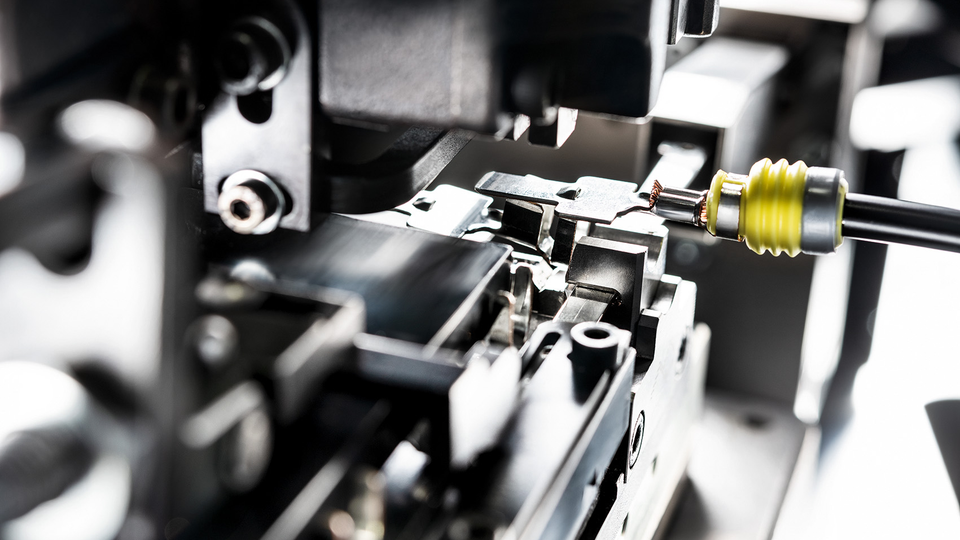
Review wire, connector and terminal references against the agreed material requirements before they enter the assembly process.
Focus on wire preparation, crimp condition, housing insertion and routing details at the relevant assembly stage.
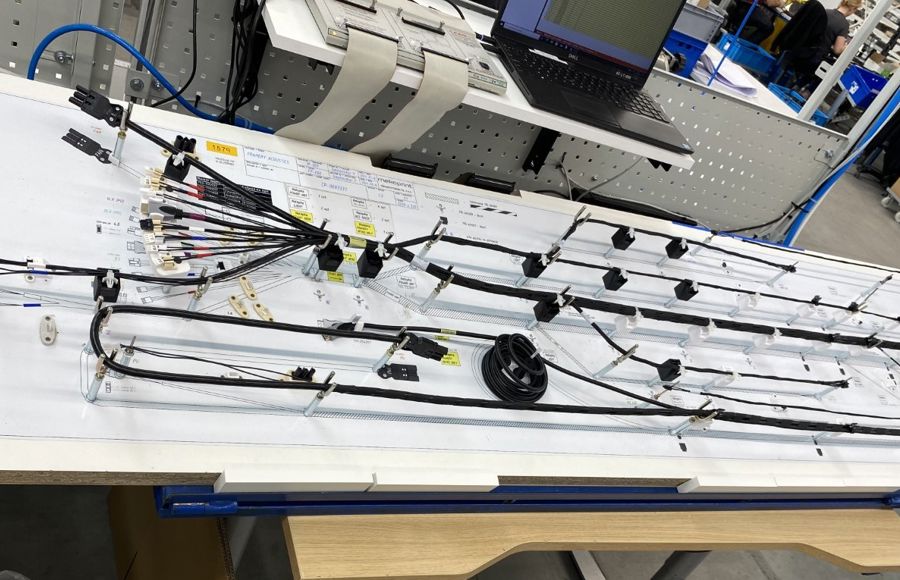
Check the finished layout, wire sequence, identification and applicable electrical or mechanical requirements before release.
INSPECTION EQUIPMENT
The equipment below supports different inspection tasks. Test methods, coverage and acceptance limits are defined for the project.
Checking circuit positions and connection sequence.
Evaluating the mechanical retention of a termination.
Material screening to support project substance requirements.
Examining the internal form of a crimped termination.
Measuring the forces associated with mating and separation.
Evaluating corrosion behavior under agreed test conditions.
Material screening equipment does not by itself establish product certification. Please identify any required declarations, standards or test reports in your RFQ for review.
WORKMANSHIP & FINAL VERIFICATION
A drawing defines more than the connections. It also defines the details the finished harness needs to retain.
YOUR NEXT CONNECTION
Include the required checks, acceptance limits and documentation with your drawing or BOM so we can review them together.